
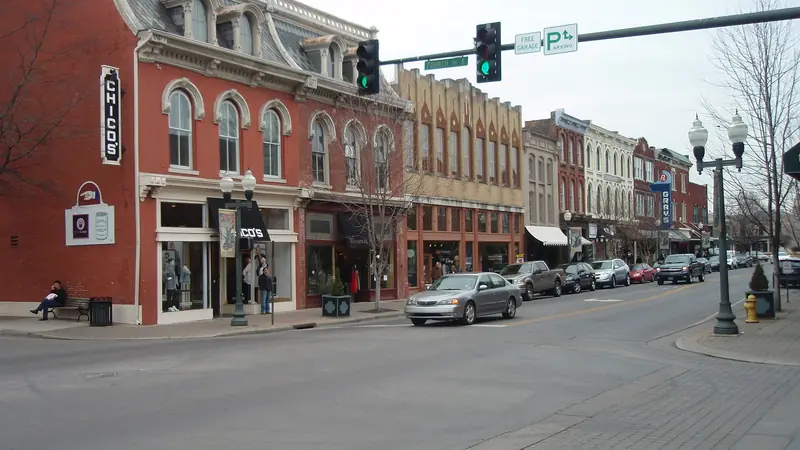
Mold removal in Franklin depends a lot on which Franklin you live in: a 19th-century house near Main Street, a home in the Harpeth River floodplain, or a newer build in Westhaven, Cool Springs or one of the subdivisions east of I-65. Call (626) 515-6097, give us your Franklin address or ZIP code, and we connect you with an independent local mold company that inspects, finds the moisture, and quotes removal before work starts.
Historic Franklin
Downtown Franklin's Main Street and the streets around it are lined with brick commercial buildings and homes from the 1800s and early 1900s. Older structures have their own moisture behavior: brick and stone foundations that wick groundwater, plaster walls, original wood floors over crawl spaces, and roofs and chimneys that have been patched many times.
Two of Franklin's best-known historic sites, Carnton and the Carter House, are managed by the Battle of Franklin Trust and show how carefully older buildings have to be kept dry. Mold work in historic homes should follow the same idea: clean and dry original materials where possible, remove only what cannot be saved, and fix the moisture source. Exterior changes in Franklin's historic districts may require review by the City of Franklin.
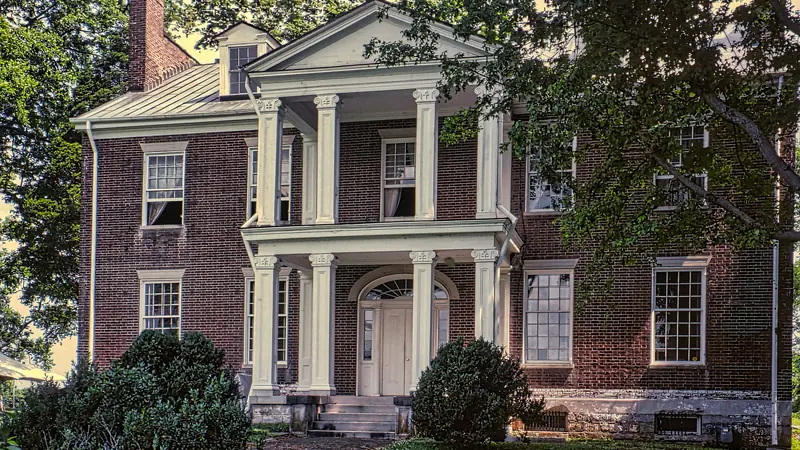
The Harpeth River
The Harpeth River loops through Franklin, past Pinkerton Park and the downtown area. According to the National Weather Service's May 2010 flood summary, the Harpeth at Franklin crested at 35.32 feet, just above its 1948 record, and neighborhoods near the river and its creeks flooded. The City of Franklin's Harpeth River Ready program shares flood preparedness information for residents.
Pinkerton Park, on the river off Murfreesboro Road, is a favorite spot for walking and wading, and a good reminder that much of central Franklin sits close to the water table.
Newer Franklin homes
Franklin has grown enormously, with large subdivisions and planned communities on every side of town. Newer homes rarely have the crawl space problems of older ones, but they have their own:
- Bath fans that vent into the attic or were never connected.
- Upstairs laundry rooms with washer hose or drain leaks.
- Attic air handlers with clogged condensate lines.
- Window and door flashing details that leak during wind-driven rain.
- Irrigation spraying siding and foundations daily.
What Franklin mold jobs usually involve
- Crawl space and foundation moisture in older homes. See crawl space mold removal.
- Attic mold in newer two-story homes. See attic mold removal.
- Leak-driven wall and ceiling mold from plumbing and laundry. See water damage and mold.
- Commercial work in Cool Springs offices and downtown buildings. See commercial mold remediation.
Questions to ask before hiring in Franklin
- Have you worked on homes with plaster walls, original floors or brick foundations, and how do you protect them?
- Where is the moisture coming from: groundwater, gutters, plumbing, the roof, or condensation?
- What will you remove versus clean, and how far past the visible growth will you go?
- How will you contain the work area and protect the HVAC system?
- Which repairs are in your scope and which need another trade?
- Will the work area be dry and clean, with moisture readings recorded, before anything is closed up?
Comparing written answers from two or three companies is the simplest way to see which plan actually fixes the house. In historic homes especially, the cheapest scope is often the one that tears out the most original material.
Permits and licensing in Franklin
Franklin issues its own building permits, so repair work after mold removal goes through the City of Franklin rather than Metro Nashville. For the remediation company, ask for its Tennessee contractor license and insurance; Tennessee lists Mold Remediation as specialty classification S-F, and a state license is required for projects of $25,000 or more. You can look up licenses on the state's license search.
Prevention tips for Franklin homes
- In historic homes, keep gutters and downspouts working and repoint failed mortar at foundations.
- In newer homes, confirm bath fans vent outdoors and check the attic air handler drain each spring.
- If you live near the Harpeth or its tributaries, know your flood zone and look at coverage through FloodSmart.
- Keep humidity below about 50 percent in basements and lower levels.
What to tell us when you call from Franklin
Tell us roughly when the home was built, whether it is near the river or a creek, whether it has a crawl space, basement or slab, and where you see or smell the problem. For historic homes, mention plaster walls or original floors so the company can plan a careful approach.
Neighboring areas
Franklin borders Brentwood to the north and Spring Hill to the south, with Nolensville to the northeast. See all service areas for the full list.
Frequently asked questions
Did the Harpeth River flood Franklin in 2010?
Yes. The National Weather Service reports the Harpeth River at Franklin crested at 35.32 feet in May 2010, just above the previous record of 35.14 feet from 1948. Low-lying areas near the river and its tributaries flooded. The City of Franklin's Harpeth River Ready page has current information on river flooding and preparedness.
How is mold handled in historic Franklin homes?
Older homes often have plaster walls, original wood floors, brick foundations and crawl spaces. Remediation should be careful and selective, cleaning and drying historic materials where possible instead of tearing them out, and fixing moisture sources like gutters, grading and failed mortar. Exterior changes in Franklin's historic districts may need city review.
Why do new Franklin homes get mold?
Newer homes are built tight, so moisture from showers, cooking and laundry stays indoors unless fans are sized and ducted well. We often hear about bath fans venting into the attic, upstairs laundry room leaks, attic air handler overflows, and window flashing problems in the first years after construction.