
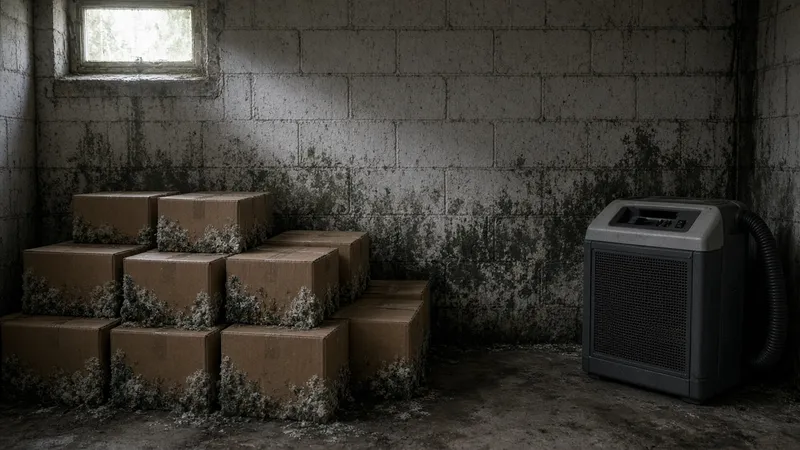
Musty odor removal in Nashville starts with finding where the smell comes from. A musty or mildew smell almost always means something is damp and growing mold or bacteria. Call (626) 515-6097 and we connect you with an independent local mold company that inspects with moisture meters and a thermal camera, finds the source, and quotes removal of the growth rather than masking it.
Where musty smells come from
- Crawl spaces. The most common source under older Nashville homes. Air rises from the crawl space into the house, so the smell shows up in lower rooms and near floor registers.
- Basements. Moisture through foundation walls, wet carpet pad, moldy drywall backs.
- HVAC systems. Dirty coils, overflowing drain pans, wet duct insulation.
- Wall cavities. Slow plumbing leaks behind showers, sinks, dishwashers and refrigerators.
- Attics. Bath fans venting into the attic, roof leaks, poor ventilation.
- Under flooring. Water from an old leak trapped under vinyl, laminate or hardwood.
- Closets on exterior walls, where cold walls and poor airflow cause condensation.
How odor sources are found
A good inspection for a smell with no visible mold follows the nose and the moisture:
- History. When does it smell worst: after rain, when the AC starts, in the morning, in one room?
- Mapping. Room-by-room comparison, including closets, cabinets, the crawl space or basement and the attic.
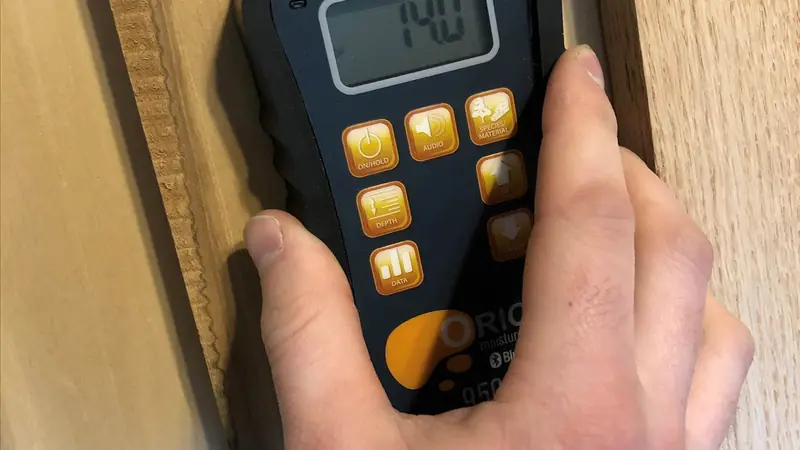
- Moisture and temperature. Meters and thermal imaging on walls, floors and ceilings.
- Humidity. Readings in each area; the Tennessee Department of Health recommends keeping indoor humidity between 30 and 50 percent.
- HVAC check. Filter, coil, drain pan and accessible ducts.
- Sampling, when useful. If the source is still hidden, a wall-cavity air sample or a comparison of indoor and outdoor air can help narrow it down.
Why masking does not work
Air fresheners, candles, baking soda and plug-ins cover the smell for a while. Ozone generators are sometimes sold as odor fixes, but the EPA's page on ozone generators sold as air cleaners explains that ozone can irritate the lungs and, at levels that are safe to breathe, does little to remove indoor contaminants. If the material is still damp and growing, the smell comes back as soon as the product wears off. Remove the growth, dry the material, and fix the moisture, and the smell goes with it.
Nashville homes and musty smells
Older homes in East Nashville, around Shelby Park and Lockeland Springs, and in Madison and Inglewood often sit on vented crawl spaces that pull in humid summer air. Homes near the Harpeth River in Bellevue and along Mill Creek in Antioch may still have hidden damage from the May 2010 flood or later high water. In newer homes, tight construction can trap moisture from showers, cooking and drying clothes if ventilation is weak.
Smells also follow the seasons here. Many homeowners notice musty air in late spring, when the air conditioning starts running and humid air meets cooler surfaces, and again during long wet spells in winter.
What to tell us when you call
- Which rooms smell, and whether it is worse upstairs or down.
- Whether it changes with rain, with the air conditioning, or with the time of day.
- Whether the house has a crawl space, a basement or a slab.
- Any past leaks, floods, roof work or plumbing repairs you know about.
Those details help the company bring the right tools and check the most likely source first.
What removal looks like
Once the source is found, the work matches the location: crawl space mold removal, basement mold removal, HVAC mold cleanup or targeted mold remediation inside a wall. After removal and drying, some companies use HEPA air scrubbing to clean the air and may clean contents and soft furnishings. Odors absorbed into fabrics and carpet sometimes need professional cleaning or replacement.
Simple checks you can do first
- Sniff closets, under-sink cabinets and the crawl space access.
- Look at the HVAC filter and the drain pan if you can reach it.
- Buy an inexpensive hygrometer and check humidity in each room.
- Check gutters and downspouts after rain; water should discharge several feet from the foundation.
- Run bathroom fans during and after showers.
Odor calls by area
Musty-smell calls are common in East Nashville and Madison crawl-space homes, lake-area houses in Gallatin and Hendersonville, and older homes in Lebanon near the town square. Read our guide to musty smells during AC season for more causes and fixes.
Frequently asked questions
What does a musty smell in my house mean?
A musty or earthy smell usually comes from microbial volatile organic compounds released by actively growing mold or bacteria on damp materials. It often means there is moisture and growth somewhere you cannot see, such as a crawl space, wall cavity, under flooring, in the HVAC system or behind a basement wall.
Do ozone generators get rid of mold smell?
The EPA says ozone at levels that do not exceed public health standards has little effect on indoor air contaminants, and that the concentrations needed to affect mold would be far above what is safe to breathe. Oxidizing the odor does not remove the growth or the moisture, so the smell returns. Never run ozone in occupied spaces.
Why does my house smell musty only when it rains?
Rain raises the moisture in soil around the foundation and in crawl spaces and basements, and wet materials release more odor. A smell that comes and goes with weather often points to groundwater entering a basement or crawl space, gutter and downspout problems, or a roof leak that only shows up in heavy rain.
Can a musty smell come from the air conditioner?
Yes. A dirty evaporator coil, a clogged condensate drain, wet insulation in the air handler or sweating ducts can all smell musty, often strongest when the system first starts. An HVAC technician can inspect the coil and drain, and a mold company can check ducts in crawl spaces and attics.