
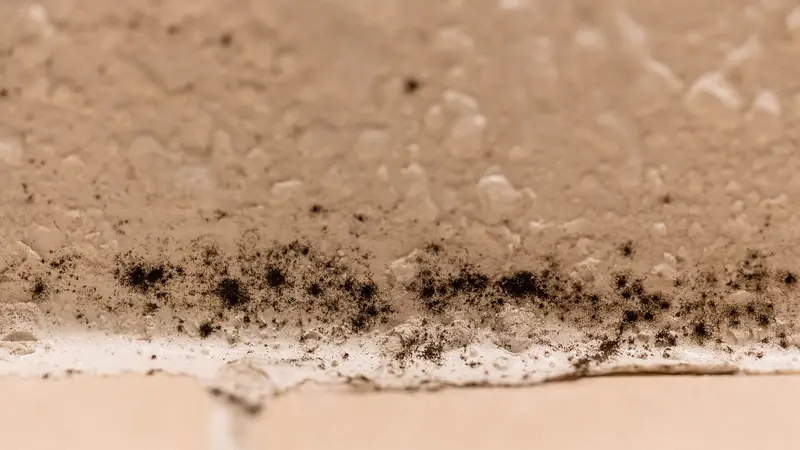
Black mold removal in Nashville follows the same rule as every mold job: stop the water, contain the area, remove the moldy material, and clean and dry what remains. Call (626) 515-6097 and we connect you with an independent local mold company that will inspect the growth, find the moisture source, and quote the removal before starting.
What is "black mold," really?
"Black mold" is a nickname, not a species. Several common molds look black or dark green, including Cladosporium, Aspergillus and Stachybotrys chartarum, the one most often meant by "toxic black mold." The Tennessee Department of Health's Environmental Epidemiology program lists common indoor molds and says the term "toxic mold" is misleading: molds can produce allergens, irritants and sometimes mycotoxins, but mold itself is not a poison.
That does not mean dark mold is harmless. It usually means a material has been wet for a long time. Stachybotrys in particular grows on cellulose-rich materials, like the paper face of drywall, that stay soaked for days or weeks. Finding it tells you there is a water problem worth fixing.
How is black mold removed safely?
Professional removal of dark mold follows the containment-and-removal sequence the EPA describes in its mold cleanup guidance:
- Moisture first. The source is found and stopped, whether that is a pinhole leak in a supply line, a failed shower pan, a roof flashing gap or condensation on a cold pipe.
- Containment. The area is sealed with plastic and, for larger areas, held under negative pressure with a HEPA air scrubber, so spores released during removal do not spread.
- Protective gear. Workers wear respirators, gloves and eye protection.
- Removal. Moldy drywall, insulation and other porous materials are cut out well past the visible edge, bagged in the containment and carried out.
- Cleaning. Studs and subfloor are HEPA-vacuumed and cleaned; stained wood may be sanded.
- Drying and checking before anything new goes in.
Why bleach and paint are not the fix
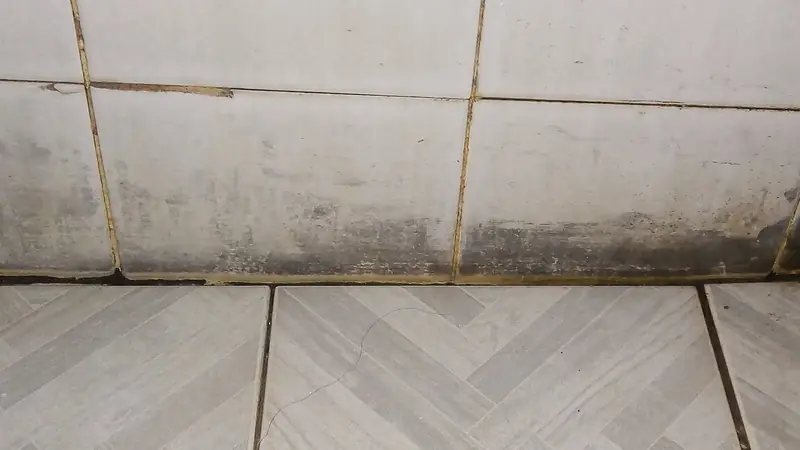
It is tempting to spray bleach, wait for the stain to fade, and paint over it. The Tennessee Department of Health says painting or caulking over mold will not fix the problem, and that bleach is usually unnecessary unless sewage is involved. Bleach lightens the color on the surface but does not reach roots inside drywall paper or wood, and the water left behind can feed new growth. Kilz-type primers have a place after proper removal and drying, never as a substitute for it.
Where black mold shows up in Nashville homes
- Behind and under bathroom fixtures. Slow leaks from tub drains, toilet seals and shower valves soak the subfloor and wall cavity. See bathroom mold removal.
- Under kitchen sinks and behind dishwashers and refrigerators, where supply lines and ice-maker lines drip for months.
- Basement and lower-level walls, especially in homes built into hillsides around Radnor Lake and the Warner Parks, where groundwater presses on foundation walls. See basement mold removal.
- Ceilings under attics, where a roof leak or condensation soaks drywall.
- Homes that flooded. In the May 2010 flood, drywall that stayed wet for days was ideal ground for Stachybotrys. Areas that were cleaned up quickly but not opened up can still hide growth.
Health and who should stay away
The CDC and Tennessee health officials note that people with allergies, asthma, chronic lung disease, or weakened immune systems are most likely to react to mold. If someone in the home falls into one of those groups, or if you are pregnant or have an infant, keep them out of the work area and talk to a doctor about any symptoms. We are not medical professionals and cannot give health advice.
Questions to ask before hiring
- How far past the visible growth will you cut?
- How will you protect the HVAC system and the rest of the house?
- Who fixes the leak, and when?
- Will the work area be dry and clean before you close it?
- Do you offer, or recommend, clearance testing by an independent assessor?
- What is your Tennessee contractor license number? (Tennessee lists Mold Remediation as specialty classification S-F, and a license is required on projects of $25,000 or more.)
Black mold calls around the metro
We get dark-mold calls from older homes in Madison with long-hidden plumbing leaks, rental units in Antioch, and finished basements in Hendersonville near Old Hickory Lake. For the bigger picture on removal, see mold remediation, and for the facts behind the scary headlines, read black mold facts for Tennessee homeowners.
Frequently asked questions
Is black mold in my house dangerous?
Any indoor mold growth can trigger allergy symptoms, irritation and asthma attacks in sensitive people, and color alone does not tell you the species. The Tennessee Department of Health says "toxic mold" is a misleading term and that mold itself is not poisonous. Treat dark mold seriously, remove it properly, and talk to a doctor about symptoms.
Can I use bleach on black mold?
The Tennessee Department of Health says bleach is usually unnecessary on hard surfaces and that soap and water work. Bleach does not fix mold inside drywall or wood, and its fumes can irritate lungs. Never mix bleach with ammonia or other cleaners. Porous materials with growth should be removed, not bleached.
How do I know if it is Stachybotrys?
Only a lab can identify the species from a sample. Stachybotrys tends to grow on materials that stay wet for a long time, such as drywall paper after a slow leak, and often looks dark and slimy or sooty. Since all indoor mold should be removed anyway, identifying the species is rarely needed.
Will black mold come back after removal?
Not if the moisture is fixed and the moldy material is removed. Dark mold usually signals a long-running water problem, such as a leaking supply line, roof flashing or condensation. If the source is not repaired, any mold can return. Ask the company to name the source in its written scope.