
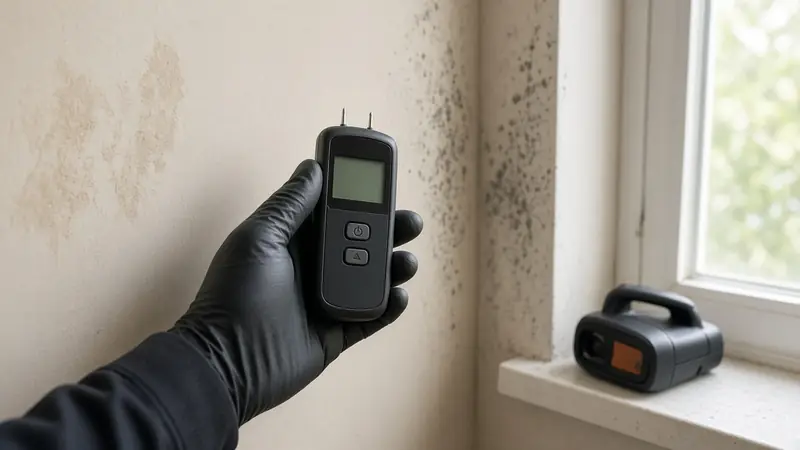
A mold inspection in Nashville should answer three questions: where is the moisture coming from, how far has growth spread, and what needs to be removed. Call (626) 515-6097 and we connect you with an independent local inspection or remediation company. Testing is part of the toolbox, but you often do not need lab samples to make a good decision.
What happens during a mold inspection?
A thorough inspection usually includes:
- An interview. When did the smell or stain start? Any past leaks, floods or roof work? Does it get worse after rain or when the air conditioning runs?
- A visual walk-through of every level, including the attic, crawl space or basement, mechanical closet, bathrooms, kitchen sink base, laundry area and under windows.
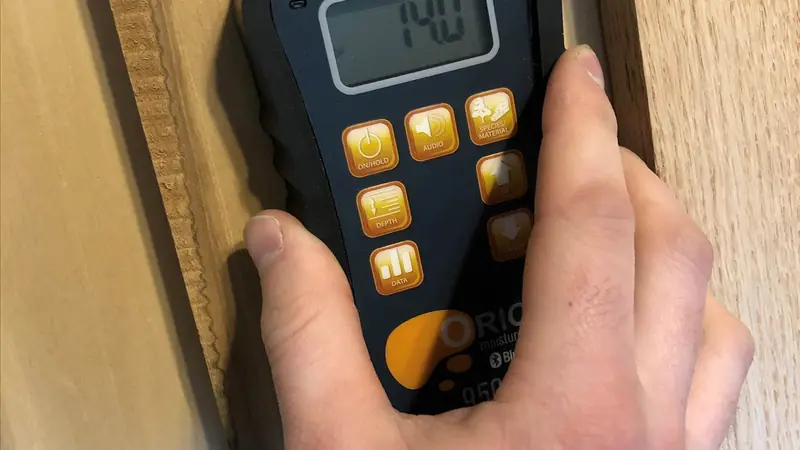
- Moisture readings with pin and pinless meters on drywall, framing and subfloor.
- Thermal imaging to spot cool, damp patches behind walls and ceilings. A thermal camera shows temperature, not mold, so readings get confirmed with a meter.
- Humidity readings in each area, compared with the 30 to 50 percent range the Tennessee Department of Health recommends indoors.
- A written summary with photos, the likely source, and a recommended scope.
Do you need mold testing at all?
The Tennessee Department of Health's Healthy Homes page says testing is not recommended in most cases, and that TDH, the CDC and the EPA do not test or recommend testing, because there are no national standards for "safe" mold levels. The EPA explains why on its page about mold testing or sampling. If you can see or smell mold, the answer is the same no matter which species it is: fix the moisture and remove the growth.
Sampling is worth paying for in specific situations:
- Hidden growth is suspected but cannot be found, such as a strong musty smell with no visible source.
- Clearance after remediation, to document that the work area is back to normal before rebuild.
- Real estate, when a buyer, seller or lender wants documentation.
- Landlord-tenant or legal disputes, where an independent record helps.
- Medical guidance, when a doctor asks for more information about a patient's environment.
Types of mold tests
- Air samples (spore traps) compare indoor spore counts and types with an outdoor sample taken at the same time. Nashville's outdoor counts swing with the season, so the comparison matters more than any single number.
- Surface samples (tape lifts or swabs) confirm whether a stain is mold and what kind.
- Bulk samples take a piece of material for the lab.
- Wall cavity samples draw air from inside a wall through a small hole.
Ask who analyzes the samples and how long results take. Most reputable companies use an outside accredited lab.
Why inspections in Nashville focus on moisture paths
Many Nashville homes have more than one moisture source at once. Older homes near Centennial Park and in East Nashville often sit on vented crawl spaces that pull in humid summer air. Homes in low spots near Mill Creek and the Harpeth River may still carry damage from the May 2010 flood. Newer, tighter homes in the suburbs trap shower and cooking moisture if fans are undersized or vent into the attic.
A good inspector checks all of those paths, not just the room where you noticed the problem. In a split-level or a home with a finished basement, that can mean checking the grading and gutters outside, the foundation walls, the plumbing chases between floors and the air handler closet before saying where the moisture is coming from. The written report should name the source plainly, so whoever does the repair knows exactly what to fix.
Inspection vs. remediation company
Some companies only inspect and test; others inspect and remediate. Both models are legal and common. If you want clearance testing after a remediation, many people prefer an assessor who is not the same company that did the work. Tell us your preference when you call and we will route the call accordingly.
Common inspection calls by area
We hear from buyers doing due diligence in Franklin and Brentwood, renters in Antioch who need documentation, and owners of older homes in Madison chasing a smell. After an inspection, the next step is usually mold remediation or a targeted job like musty odor removal or HVAC mold work.
For a deeper look at when testing is worth it, read Do you need mold testing in Nashville?.
Frequently asked questions
How much does a mold inspection cost in Nashville?
It depends on the size of the home, how many areas need checking, and whether lab samples are taken. A visual and moisture inspection costs less than one with several air or surface samples. The company should tell you the price and what the report will include before the visit, so you can decide which level you need.
Should I get an air test if I can already see mold?
Usually no. The Tennessee Department of Health, CDC and EPA advise that visible mold should be removed and the moisture fixed regardless of species. Spend the money on finding the source and doing the work properly. Testing makes more sense for hidden growth, clearance after remediation, or documentation.
What is post-remediation clearance testing?
It is a check after the work is finished and before walls are closed or containment is taken down. An assessor inspects visually, confirms materials are dry, and often takes air or surface samples to compare with outdoors or a clean room. Many people prefer an assessor who is independent of the remediation company.
Can a home inspector check for mold during a Nashville home purchase?
A general home inspector will often note visible stains, musty odors or high moisture readings, but many do not take mold samples. If the report flags moisture in a crawl space, attic or basement, a focused mold inspection before closing can clarify what you are buying.