
Mold removal in Lebanon often starts with the ground under the house: limestone, thin soil and runoff that finds its way into crawl spaces and basements. Call (626) 515-6097, give us your Lebanon address or ZIP code, and we connect you with an independent local mold company that inspects, finds the moisture and quotes the work in writing before starting.
The square and historic Lebanon
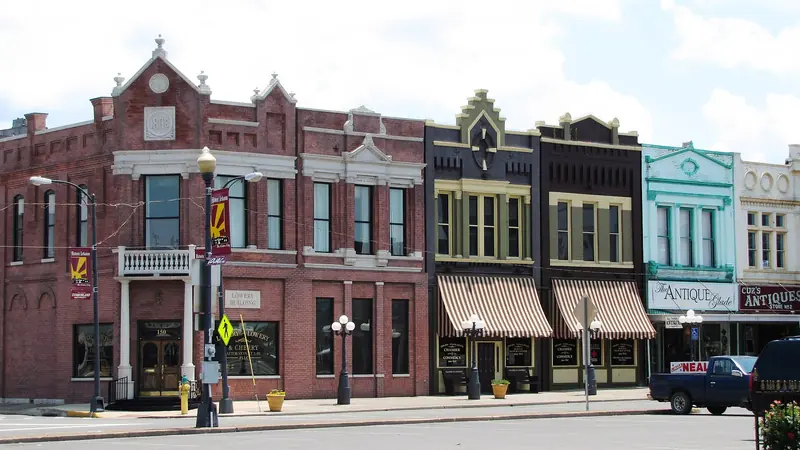
Lebanon is the seat of Wilson County, and its public square, with the courthouse nearby, is lined with older commercial buildings and antique shops. Streets radiating from the square include Victorian homes, early-1900s houses and postwar ranches. Many sit on crawl spaces or stone foundations, and some have been added to more than once.
Cumberland University and rentals
Cumberland University, founded in 1842, sits just off downtown. The neighborhoods around it include older homes, many now rentals. Tenants should report leaks and mold in writing and keep dated photos; landlords should fix the moisture source and keep a record of the remediation.
Cedars of Lebanon State Park and karst ground
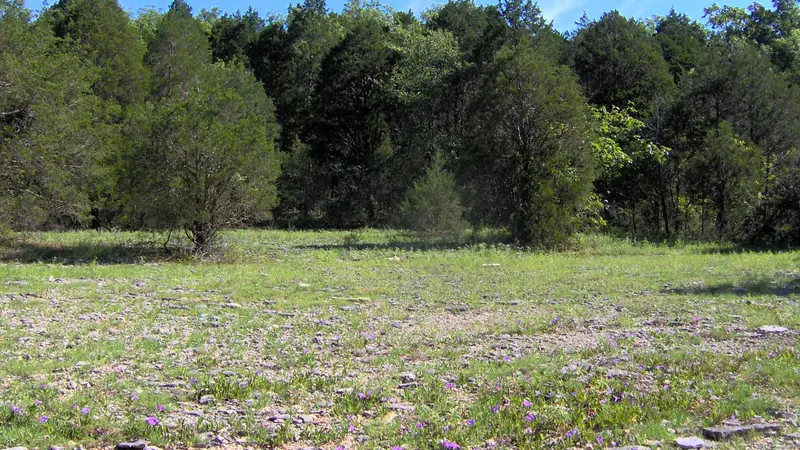
South of the city, Cedars of Lebanon State Park protects cedar glades: open, rocky areas where limestone lies right at the surface under a thin layer of soil. The park takes its name from the red cedars that thrive there. The same geology extends under much of Lebanon. Sinkholes, springs and caves are common, and water can move quickly underground. For homeowners, that means:
- Runoff can travel along rock layers and emerge against a foundation.
- Low spots and sinkholes can hold water after storms.
- Crawl spaces on rock can stay damp even when the yard looks dry.
- Basements can see seepage through block or poured walls.
What Lebanon mold jobs usually involve
- Crawl space cleanup with vapor barriers and drainage fixes. See crawl space mold removal.
- Basement mold from seepage through foundation walls. See basement mold removal.
- Musty odors in older homes where the source is hard to find. See musty odor removal.
Downtown commercial buildings
The brick buildings around the Lebanon square are more than a century old in many cases. Old masonry walls absorb rain and wick ground moisture, flat roofs develop leaks, and upper floors are sometimes used for storage where problems go unnoticed. Antique shops, offices and restaurants downtown should treat any musty smell or ceiling stain as a reason to check the roof and walls. For business owners, a documented scope and a plan that keeps the business open where possible matter as much as the cleanup itself. See commercial mold remediation.
Growth and newer homes
Lebanon has grown alongside Mt. Juliet and the rest of Wilson County, with new subdivisions on the edges of town. Newer homes tend to have mold problems from leaks, bath fans that vent into the attic, and attic HVAC systems with clogged condensate lines, rather than from crawl spaces. If you are under a builder warranty, document issues and report them in writing first.
Storms in Wilson County
Wilson County has seen its share of severe weather, including the March 3, 2020 tornado documented by the National Weather Service, which moved east from Nashville into Wilson County. Homes that were open to rain before repairs, or were dried poorly after any storm, can hide mold inside walls and attics. If you notice musty odors or stains near repaired areas, have them checked.
Old farmhouses and rural homes
Outside the city, the Lebanon area has old farmhouses, mobile and manufactured homes, and rural houses on wells and septic systems. These homes can face moisture from failing gutters, uninsulated floors, older ductwork in crawl spaces, and skirting that traps damp air under a manufactured home. A mold company that works in rural Wilson County should be comfortable inspecting under floors, around wells and water heaters, and in outbuildings.
Prevention tips for Lebanon homes
- Keep gutters clean and downspouts extended well away from the house.
- Watch low spots in the yard after storms; regrade or add drainage if water collects near the foundation.
- Keep crawl space vapor barriers intact and covering the ground completely.
- Run a dehumidifier in basements during the humid months.
- Keep indoor humidity between 30 and 50 percent.
Permits and local resources
Inside city limits, repair permits go through the City of Lebanon; outside them, Wilson County. Ask any mold company for proof of insurance, and for jobs of $25,000 or more, its Tennessee contractor license.
What to tell us when you call from Lebanon
Tell us whether the home is in town, near the university, or rural; whether it has a crawl space, basement or slab; whether it is on a well or septic system; and where you see or smell mold.
Neighboring areas
Lebanon neighbors Mt. Juliet to the west, with Hermitage and Nashville beyond. See all service areas for the full list.
Frequently asked questions
How does Lebanon's geology affect mold?
The Lebanon area sits on limestone with very thin soils in places - the same conditions that create the cedar glades at Cedars of Lebanon State Park. Water can move quickly through cracks and sinkholes, and some lots channel runoff toward foundations or hold water in low spots. That raises moisture in crawl spaces and basements, which feeds mold.
Are older homes near the Lebanon square more likely to have mold?
Older homes are not automatically moldy, but they often have crawl spaces without good vapor barriers, older plumbing, and additions with different foundations. Those details create more chances for moisture. A careful inspection can tell you whether there is an active problem.
Who issues building permits in Lebanon?
The City of Lebanon handles permits within city limits, and Wilson County handles unincorporated areas. Mold removal itself typically does not need a permit, but structural, plumbing, electrical and HVAC repairs usually do.