
Water damage turns into mold when wet materials stay wet. Drying a leak, burst pipe or flood within 24 to 48 hours is the best mold prevention there is. Call (626) 515-6097 and we connect you with an independent local water damage and mold company that extracts water, removes what cannot be dried, dries the structure with professional equipment, and checks for growth.
Why is the 24 to 48 hour window so important?
Mold spores are already in every home. They only need water and a food source like drywall paper, wood or carpet backing. The EPA's Brief Guide to Mold, Moisture and Your Home and Metro Public Health's mold handout both tell homeowners to dry water-damaged areas within 24 to 48 hours. In a Nashville summer, with warm indoor temperatures and humid outdoor air, materials can start growing mold at the early end of that window.
What a water damage and mold job looks like
- Stop the source. Water shut off, roof tarped, appliance disconnected.
- Safety. Power off to wet circuits; check for sewage or floodwater contamination.
- Extraction. Standing water pumped or vacuumed out.
- Moisture mapping. Meters and thermal imaging show how far water wicked into walls, floors and cabinets.
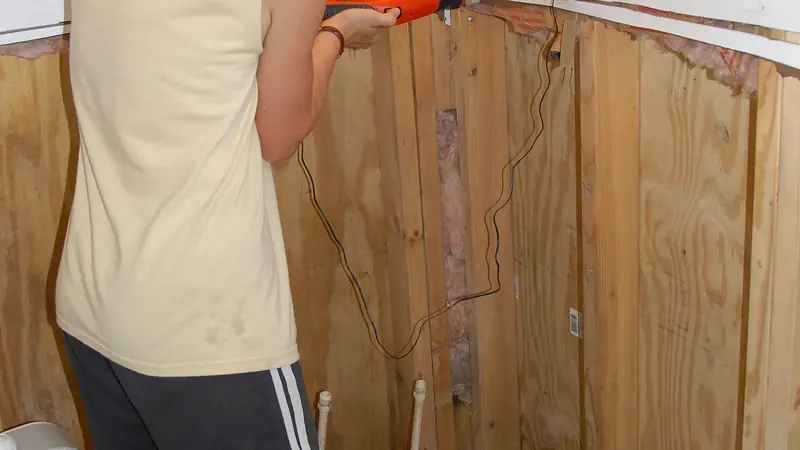
- Removal. Wet carpet pad, the bottom of soaked drywall, wet insulation and swollen baseboards removed. Floodwater-soaked porous materials always go.
- Drying. Dehumidifiers and air movers run with daily moisture readings until materials reach their normal levels.
- Mold check. Any growth found is contained and removed.
- Rebuild once everything is dry.
Clean water, gray water and floodwater
- Clean water comes from a supply line, a sink overflow or rain through a window. Dried fast, many materials can be saved.
- Gray water comes from washing machines, dishwashers or a toilet overflow without feces. More materials are removed.
- Black water includes sewage backups and floodwater from creeks and rivers. The EPA's flood cleanup guidance treats floodwater as contaminated; porous materials it touched should be removed.
Nashville's flood history
On May 1 and 2, 2010, the National Weather Service measured 13.57 inches of rain at Nashville International Airport, more than double the previous two-day record. The Cumberland River crested at 52.55 feet downtown, the Harpeth River at Bellevue reached about 33 feet, and Mill Creek at Antioch set a record of 26.10 feet, according to the NWS May 2010 flood summary. The Opryland area and much of Bellevue, Antioch and West Nashville took in water.
Floods do not need to be historic to cause mold. A summer storm that overwhelms a gutter, or a clogged storm drain that sends water toward a foundation, is enough. If drainage in the public right-of-way is the problem, Metro Water Services' stormwater division takes reports through hubNashville.
Common water damage sources in Nashville homes
- Burst pipes during hard freezes, especially in crawl spaces and exterior walls.
- Water heater failures in garages, closets and attics.
- Washing machine and ice maker supply lines.
- Roof leaks after wind or hail storms.
- Overflowing HVAC condensate pans in attics.
- Groundwater in basements after heavy rain.
What to ask the drying company
- What are the moisture readings today, and what target will you dry each material to?
- How many dehumidifiers and air movers will you set, and how often will you check readings?
- Which materials are you removing, and why can't they be dried?
- Will you check inside wall cavities and under cabinets, not just the floor?
- If you find mold, will you stop and contain it before continuing?
- Will you give me a drying log I can share with my insurance adjuster?
A good company answers these in plain language and puts them in writing. Daily drying logs also protect you if a mold problem shows up later and the insurer asks whether the loss was dried properly.
Insurance tips
Photograph everything before cleanup, keep damaged materials or samples until the adjuster says otherwise, save receipts, and call your insurer early. Our guide Does homeowners insurance cover mold in Tennessee? explains common policy language. The Tennessee Department of Commerce and Insurance handles consumer insurance questions.
Water damage calls by area
Recent calls include burst crawl-space pipes in Goodlettsville, finished-basement leaks in Brentwood, and creek-side flooding in Antioch. If the water has already been sitting a while and you see growth, see mold remediation; if the water reached the basement, see basement mold removal. For step-by-step advice after a flood, read Mold after flooding in Nashville.
Frequently asked questions
How fast does mold grow after water damage?
Mold can start growing on wet materials within about 24 to 48 hours, which is why the EPA and Metro Public Health recommend drying water-damaged areas within that window. Warm, humid Nashville weather speeds it up. Materials that cannot be dried in time, such as soaked drywall, insulation and carpet pad, are usually removed.
What should I do right after a leak or flood?
Stop the water if it is safe, shut off power to wet areas, move belongings out, take photos for insurance, and start drying with fans and a dehumidifier if the water was clean. Do not use a household vacuum on standing water. For floodwater or sewage, avoid contact and call a professional, because those materials need to be removed, not just dried.
Does insurance pay for water damage and mold?
It depends on your policy and the cause. Many homeowners policies cover sudden, accidental water damage such as a burst pipe, and may cover resulting mold up to a limit, while excluding long-term leaks, maintenance issues and flood. Flood damage generally requires separate flood insurance. Call your insurer and read the policy before work starts.
Can wet drywall be dried instead of replaced?
Sometimes. Drywall wet from clean water that is dried quickly with professional equipment, and that shows no swelling, crumbling or growth, can often stay. Drywall soaked by floodwater or sewage, or wet for more than about 48 hours, is generally removed. Moisture readings decide, not a guess.