
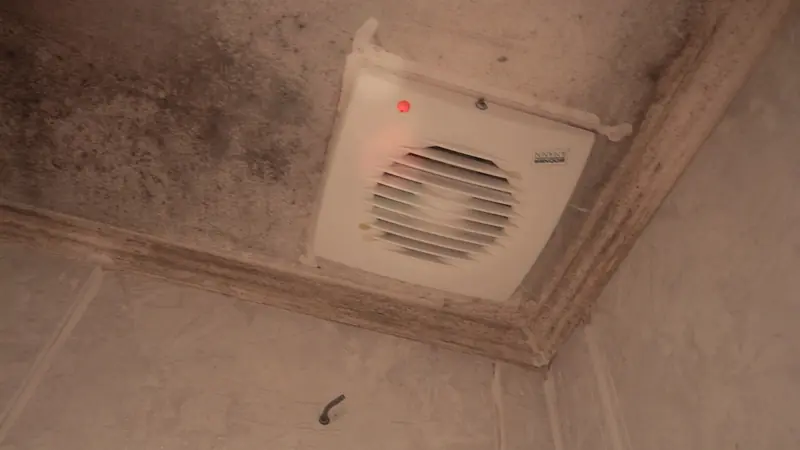
Bathroom mold removal in Nashville ranges from cleaning grout and replacing caulk to opening a wall or floor where a hidden leak has fed mold for months. Call (626) 515-6097 and we connect you with an independent local mold company that checks for moisture behind the tile and under the floor before recommending removal.
Is my bathroom mold a cleaning problem or a leak problem?
A quick way to tell:
- Usually cleaning and ventilation: spots on grout, caulk and ceiling paint inside the shower area or directly above it, that clean off and come back over weeks.
- Usually a leak or hidden moisture: mold or staining outside the wet zone, soft or cracked tile, a vanity floor that smells musty, swelling baseboards, a ceiling stain in the room below, or wallpaper and paint bubbling in the next room.
The EPA's Brief Guide to Mold, Moisture and Your Home covers basic cleanup for small surface areas. Anything that looks like it is coming from inside the wall or floor is a job for an inspection.
How bathroom mold is removed
- Moisture check. Meters on walls around the tub, shower valve, toilet and vanity; a look at the ceiling below if the bathroom is upstairs.
- Find the source. Common sources include failed shower pans, cracked grout letting water behind tile, leaking valves and drain fittings, toilet wax rings, supply lines, and condensation from poor ventilation.
- Contain and remove. For hidden mold, the affected wall or floor area is contained and the moldy backer board, drywall or subfloor is removed.
- Clean and dry the framing.
- Repair the leak. Usually a plumber or tile installer.
- Fix ventilation. Exhaust fan sized for the room and ducted to the outside, not into the attic.
The exhaust fan problem
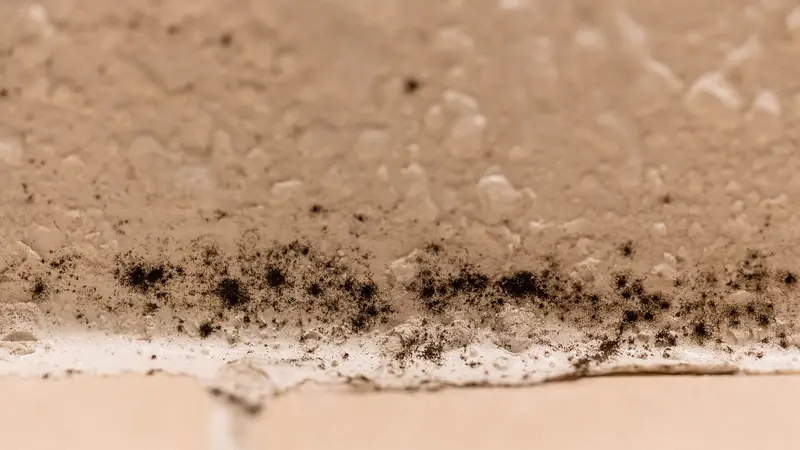
Many Nashville homes, especially two-story builds in the suburbs and older homes with remodeled bathrooms, have exhaust fans that discharge into the attic or that were never connected to a duct at all. That moves the bathroom's moisture into the attic, where it can cause attic mold on the roof sheathing. A proper fan vents through a roof or wall cap with a damper. Building permits for bathroom remodels in Davidson County go through Metro Codes, and fan venting is part of what a permitted remodel should get right.
Cleaning small bathroom mold yourself
For small surface spots on hard surfaces:
- Wear gloves and eye protection; an N95 is a good idea.
- Use detergent and water or a bathroom cleaner and a scrub brush. The Tennessee Department of Health notes bleach is usually unnecessary; if you use it, ventilate well and never mix it with ammonia or other cleaners.
- Dry the area completely.
- Replace moldy caulk rather than trying to clean it.
- Run the exhaust fan during showers and for about 20 minutes after.
If the growth keeps returning within a few weeks, or you see signs of a leak, stop cleaning and get it checked.
What it costs and how long it takes
We do not quote prices, because a bathroom job can be anything from a caulk-and-fan fix to opening a shower wall and replacing the pan. The written scope should separate the mold removal from the plumbing, tile and fan work so you can see what each part costs and who does it. Most contained bathroom removals take a day or two, plus drying time before tile or drywall goes back.
Bathroom mold in rentals
Renters in Davidson County who have recurring mold from a leak the landlord has not fixed can report unsafe or unsanitary conditions to Metro Codes Property Standards through hubNashville. Our guide for Nashville renters dealing with mold explains the steps and what to document.
Where we see bathroom mold calls
Upstairs bathroom leaks staining the ceiling below are common in newer two-story homes in Mt. Juliet and Smyrna. Older homes near Centennial Park and in East Nashville often have original tile with failing pans. For mold that has spread beyond the bathroom, see mold remediation, and for dark growth on drywall, see black mold removal.
What to tell us when you call
- Which floor the bathroom is on, and whether there is a ceiling stain below it.
- Whether the growth is only in the shower or also on walls, floors or the vanity.
- How old the tile and the exhaust fan are, if you know.
- Whether you rent or own, so the company knows who needs to approve repairs.
Frequently asked questions
Why does mold keep coming back on my bathroom ceiling?
Recurring ceiling mold in a bathroom is usually a ventilation problem. The exhaust fan may be too small, not ducted outdoors, clogged with lint, or not run long enough after showers. Steam condenses on the cool ceiling and paint, and mold grows. Running the fan during and for about 20 minutes after a shower, and fixing the duct, usually solves it.
Is mold in shower caulk a sign of a bigger problem?
Not always. Mold on caulk and grout is common and can often be cleaned or the caulk replaced. But soft or loose tile, stains on the wall or ceiling outside the shower, or a musty smell from the vanity can mean water is getting behind the tile or under the pan. That needs an inspection.
Can a toilet leak cause mold under the floor?
Yes. A failed wax ring or a cracked supply line can leak slowly for months, soaking the subfloor and, on upper floors, the ceiling below. Signs include a rocking toilet, soft flooring around the base, staining on the ceiling under the bathroom, or a persistent odor.
What paint helps prevent bathroom mold?
Mildew-resistant bathroom paints can slow surface growth on walls and ceilings, but they do not fix moisture. Clean and dry any existing mold first, fix the ventilation, then paint. Painting over growth hides it for a while but does not remove it.