
Whether insurance pays for mold usually comes down to one question: what caused the water? This guide explains the general patterns. Every policy is different, so read yours and talk with your agent; this is not insurance advice.
Sudden vs. gradual water damage
Most homeowners policies cover damage from a sudden and accidental water event, like a burst pipe, a failed water heater or a washing machine hose that breaks. If mold results from that covered event, some or all of the cleanup may be covered, often subject to a mold limit.
Most policies exclude mold that results from:
- Long-term, slow leaks that went unrepaired.
- High humidity or condensation.
- Poor maintenance or neglect.
- Flooding from outside (unless you have flood insurance).
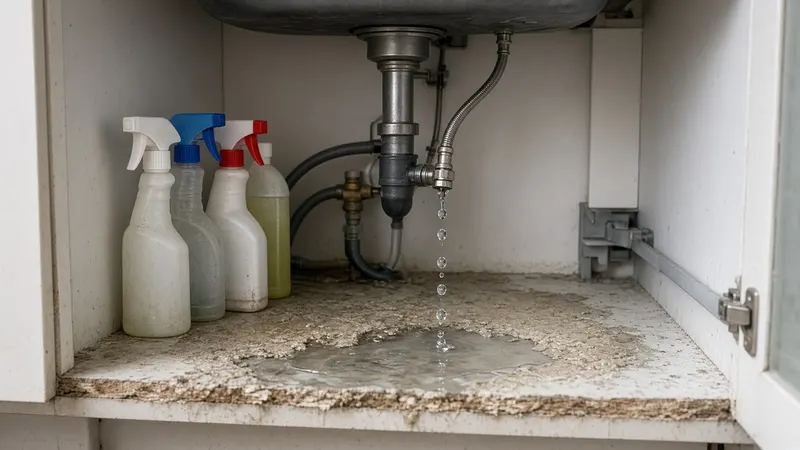
The line between sudden and gradual is often where disputes happen. A pipe that leaked for months behind a wall may be treated as gradual even if you only just found it.
Mold limits and endorsements
Many policies cap mold-related payments at a set amount, sometimes a few thousand dollars, even when the water event is covered. Some insurers sell endorsements that raise that limit. Check the declarations page and any mold or fungi exclusion in your policy.
Flood insurance is separate
Standard homeowners policies do not cover flood damage. Flood coverage comes from a separate policy, usually through the National Flood Insurance Program. FloodSmart.gov explains NFIP coverage and notes there is typically a waiting period before a new policy takes effect. After the May 2010 flood, many Nashville homeowners learned they did not have flood coverage. See mold after flooding in Nashville.
How to protect a claim
- Stop the water and start drying right away. Insurers expect reasonable steps to prevent further damage.
- Document everything with photos and video before cleanup: the source, the damage, and affected belongings.
- Report promptly to your insurer.
- Keep receipts for emergency repairs, fans, dehumidifiers and any temporary housing.
- Get a written scope from a remediation company that describes the cause, affected areas and work needed.
- Save removed materials or photos of them if the adjuster has not yet seen the damage.
Working with the adjuster
The adjuster may want to see the damage before anything is torn out, except for emergency steps. Ask what they need. A remediation company can provide moisture readings, photos and a written scope to support the claim. Some companies are used to working with insurers; ask about that when you get a quote. See water damage mold.
If your claim is denied
Ask for the denial in writing with the policy language it relies on. You can ask for a review, provide additional documentation, or contact the Tennessee Department of Commerce and Insurance, which regulates insurers in the state. For large disputes, some homeowners consult a public adjuster or attorney.
Paying out of pocket
If mold is not covered, get a clear written scope so you know what you are paying for. Fixing the moisture source first may reduce the scope. Ask whether rebuilding is included or separate. Our guide to choosing a mold remediation company in Tennessee has a checklist.
Prevention keeps premiums and problems down
Replace washing machine hoses every few years, know where your main water shutoff is, insulate pipes in crawl spaces, and fix small leaks immediately. Consider a water leak sensor under sinks and near the water heater. When you leave town, shut off the main water valve or at least the washer supply. Small habits like these prevent the slow leaks that insurers most often exclude.
If you need a mold company to inspect and document damage, call (626) 515-6097. Also see mold remediation.
Frequently asked questions
Does renters insurance cover mold?
Renters policies vary. Some may cover damage to your belongings from a covered water event, but mold from long-term humidity or building problems the landlord should fix is often excluded. Read your policy and ask your agent.
How long do I have to report water damage?
Policies usually require prompt notice. Report water damage as soon as you discover it, and take steps to prevent further damage, like stopping the leak and drying the area. Delays can give the insurer a reason to deny mold-related costs.
Does flood insurance cover mold?
Flood insurance through the National Flood Insurance Program can cover flood damage, including some mold damage directly caused by a flood, but it expects reasonable steps to dry and clean the property after the flood. Check your policy details with your agent or FloodSmart.gov.