
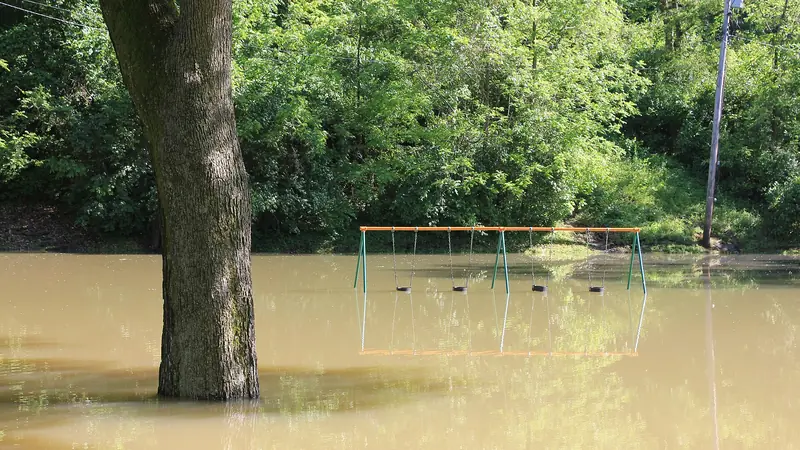
Nashville knows floods. In May 2010, the National Weather Service recorded 13.57 inches of rain at Nashville's airport over two days, and the Cumberland River crested at 52.55 feet downtown. The Harpeth River set high-water marks in Bellevue about nine feet above the 1948 record, and Mill Creek at Antioch crested at 26.10 feet, well over its previous record. Thousands of homes took on water, and mold followed in many that were not dried quickly.
Whether it is a river flood, a flash flood or a basement that took on water in a storm, the steps are the same.
Safety first
- Do not enter if there is structural damage or if water is near electrical outlets or panels. Have the power shut off.
- Assume floodwater is contaminated with sewage, chemicals and debris. Wear rubber boots, gloves and eye protection.
- Never run generators indoors or in garages; carbon monoxide kills.
- Watch for snakes and sharp debris.
Hour 1 to 24: get the water out
Remove standing water with pumps or wet vacuums. Open windows if the outdoor air is drier than indoors, and run fans and dehumidifiers. Photograph everything for insurance before you start tearing things out.
Hour 24 to 48: remove what cannot be dried
According to the EPA's flood cleanup guidance, porous materials soaked by floodwater, like carpet and pad, upholstered furniture, mattresses, drywall and insulation, usually cannot be cleaned well enough and should be discarded. Cut drywall above the water line and pull wet insulation so wall cavities can dry.
Hard surfaces, like concrete, tile, metal and solid wood framing, can usually be cleaned with detergent and water, then dried.
Days 2 to 7: dry thoroughly
Keep fans and dehumidifiers running. Check moisture with a meter before closing walls; framing should return to normal dry readings. Rushing to rebuild over wet framing was one of the biggest causes of hidden mold after 2010.
Belongings: what to keep and what to toss
Sorting belongings is the hardest part emotionally. A practical rule: if it is porous, was soaked by floodwater, and cannot be washed in hot water or professionally cleaned, it usually goes. That includes mattresses, pillows, stuffed toys, upholstered furniture, particleboard furniture and paper goods. Hard plastic, glass, metal and solid wood items can often be cleaned and dried. Photograph irreplaceable items like photos and documents; some can be frozen and later restored by specialists. Make a list for insurance before anything goes to the curb.
When to call a professional
- More than about 10 square feet affected.
- Water was in the house for more than a day or two.
- Floodwater was contaminated, which outdoor floodwater almost always is.
- Water got into HVAC ducts or equipment.
- Anyone in the house has asthma or a weakened immune system.
See water damage mold and basement mold removal.
HVAC after a flood
If floodwater reached ducts, an air handler or a furnace, have the system inspected before running it. Contaminated ductwork in crawl spaces is often replaced rather than cleaned.
Hidden mold years later
Homes that were flooded and repaired quickly can still hide mold inside walls. Signs include a musty smell, peeling paint low on walls, and stained baseboards. If you bought a home in a flood-affected area like Bellevue, Antioch or along the Cumberland, a careful inspection is worth considering. See our Bellevue and Antioch pages.
Keep the next storm's water away
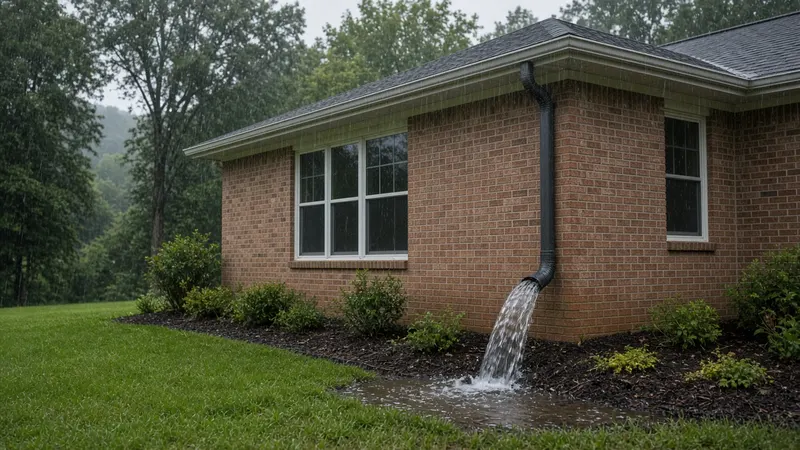
Many basements and crawl spaces that flood in ordinary storms do so because roof water lands right next to the foundation. Extend downspouts well away from the house and regrade low spots.
Insurance
Standard homeowners policies do not cover flood damage; that requires flood insurance. Read does insurance cover mold in Tennessee.
Local resources
Metro Water Services handles stormwater in Nashville and Davidson County, and Metro Codes handles building permits for repairs. For help finding a mold company after water damage, call (626) 515-6097. Also see DIY cleanup vs. hiring a professional.
Frequently asked questions
How long after a flood does mold start growing?
Mold can start growing on wet materials within 24 to 48 hours. That is why the first two days after a flood matter most for drying and removing soaked materials.
Can I save drywall after a flood?
Drywall soaked by floodwater is usually cut out and replaced, typically at least a foot or two above the water line, because floodwater can carry sewage and contaminants and wet drywall grows mold quickly. Drywall that was only briefly wet from clean water may sometimes be dried, but have it checked.